Project Overview and Application
District heating systems are a cornerstone of modern urban energy efficiency, providing heat from a centralized source to multiple buildings through a network of insulated pipes. This project involved the supply of a significant quantity of carbon steel pipes and matching fittings for the expansion of an existing district heating network in a growing metropolitan area. The expansion was designed to connect a new residential development and several commercial complexes to the city’s sustainable energy grid.
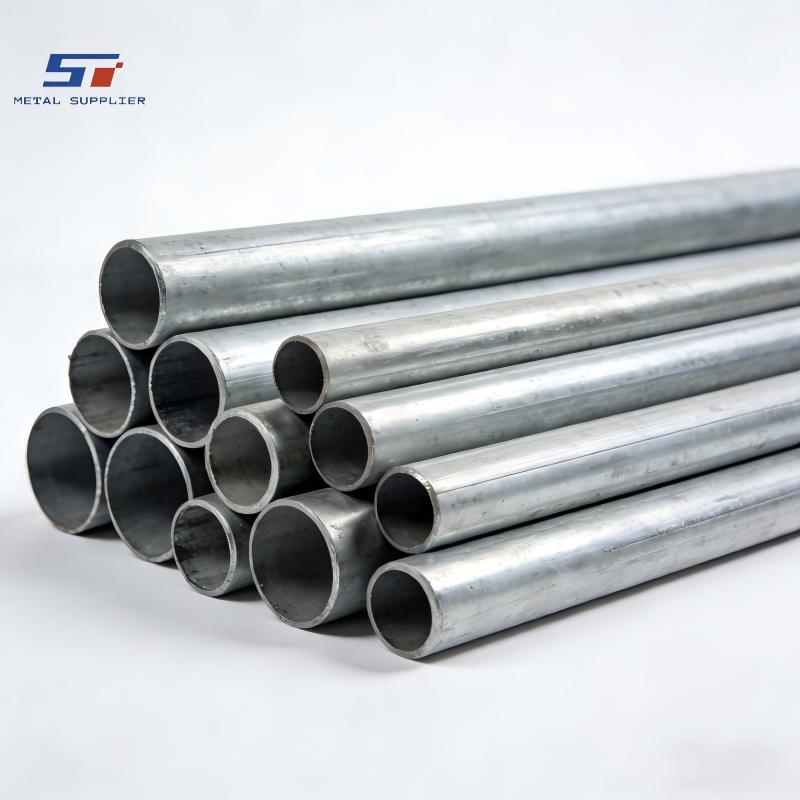
The primary application for the carbon steel pipe was the transport of pressurized hot water at temperatures up to 140°C and pressures up to 16 bar. Carbon steel was chosen for its high strength, excellent thermal conductivity, and cost-effectiveness over the large distances required for an urban network. The project required a mix of large-diameter trunk lines and smaller-diameter distribution branches, along with a complex array of elbows, tees, and reducers to navigate the underground utility corridors.
Technical Requirements and Material Selection
The technical requirements for a district heating project are among the most demanding for carbon steel piping. Because the pipes are buried underground and subjected to significant thermal expansion and contraction, the material must have high ductility and excellent welding characteristics. The project specification called for seamless carbon steel pipe according to ASTM A106 Grade B for the high-temperature sections and API 5L Grade B for the longer, straight transmission runs.
A critical requirement was the compatibility of the pipe with pre-insulation systems. In modern district heating, the steel "service pipe" is encased in a layer of polyurethane foam and a high-density polyethylene (HDPE) outer jacket. The outside surface of the carbon steel pipe had to be free of heavy rust and scale to ensure a strong bond with the insulation foam. Additionally, the pipes had to meet strict dimensional tolerances to fit precisely into the pre-manufactured insulation shells. The choice of A106 and API 5L provided the necessary mechanical strength to withstand both the internal water pressure and the external loads from soil and traffic.
Solution and Scope of Supply
The solution provided for this expansion project was a complete "piping system package." This went beyond simply delivering lengths of pipe; it included a coordinated supply of all necessary fittings and specialized components. The scope included over 5 kilometers of pipe in sizes ranging from DN 50 (2-inch) to DN 500 (20-inch). The trunk lines utilized the larger DN 400 and DN 500 sizes to move large volumes of water with minimal pressure drop.
To ensure a seamless installation, the fittings were manufactured to the same material standards as the pipe. This included long-radius elbows to minimize flow resistance and forged steel tees for the branch connections. A key part of the solution was the provision of "pre-beveled" pipe ends. Given the thousands of field welds required for the project, having consistent 37.5-degree bevels on all pipe and fitting ends significantly increased the speed and quality of the welding process. The package also included specialized anchor points and expansion loops, which are critical for managing the thermal stresses inherent in a hot water system.
Manufacturing and Quality Standards
The carbon steel pipes were manufactured using a combination of seamless and high-frequency induction (HFI) welding processes, depending on the diameter. Seamless pipes were used for the smaller distribution lines where the highest level of pressure integrity was required. For the larger trunk lines, HFI welded pipes were selected due to their excellent dimensional consistency and the ability to produce long lengths, which reduces the number of field joints.
During manufacturing, all pipes underwent a normalized heat treatment. This process involves heating the steel above its critical temperature and then cooling it in still air, which refines the grain structure and improves the toughness of the material, especially at the weld zone. This is vital for district heating pipes, which must be able to withstand the stresses of thermal cycling over a 30-to-50-year service life. The fittings were produced through hot-forming processes and were also normalized to ensure their mechanical properties matched the pipe perfectly.
Coordination, Logistics, and Site Delivery
Coordination was the most challenging aspect of this project. The expansion took place in a busy urban environment where excavation and pipe laying had to be synchronized with traffic management and other utility work. To support this, a "just-in-time" delivery schedule was established. Pipes and fittings were delivered to the site in batches that corresponded to the specific sections of the trench being opened each week.
Logistical planning included the use of specialized trailers equipped with cranes for self-unloading, reducing the need for additional heavy equipment on the crowded streets. Each delivery was tracked through a digital inventory system, allowing the project managers to see exactly which components were on-site at any time. Furthermore, the supplier provided technical coordination with the insulation contractor, ensuring that the pipes were delivered directly to the insulation facility or the site as required, with the necessary surface preparation already completed.
Quality Control and Documentation
Quality control for the project was rigorous, involving both factory testing and site inspections. At the manufacturing plant, every pipe underwent a hydrostatic test and non-destructive testing (NDT) using ultrasonic or radiographic methods. The HFI weld seams were 100% inspected to ensure full penetration and the absence of any defects.
For the fittings, magnetic particle inspection was used to check for surface cracks that could occur during the hot-forming process. Each batch of material was accompanied by a full suite of documentation, including Mill Test Reports (MTRs) and certificates of compliance. On-site, the quality team performed visual inspections and dimensional checks on every delivery. The traceability of the material was maintained through a system of unique heat numbers and serial numbers etched on every component, which were then recorded in the project’s "as-built" documentation. This ensures that the city has a complete record of the material used in its underground infrastructure.
Packaging, Protection, and Surface Preparation
To prevent corrosion during transit and the period before the pipes were insulated and buried, all carbon steel components were coated with a temporary rust preventative. This was a water-based, environmentally friendly lacquer that provided protection without interfering with the subsequent foam-bonding or welding processes. The pipe ends were protected with heavy-duty plastic caps to keep out debris and protect the bevels from impact damage.
The fittings were packed in reinforced crates, with individual components separated by padding to prevent metal-to-metal contact. For the large-diameter pipes, special cradles were used during transport to prevent the pipes from becoming "out-of-round" under their own weight. These protective measures were essential to maintaining the integrity of the material in a harsh construction environment, ensuring that the components were in perfect condition when they reached the welding station.
Project Conclusion and Infrastructure Longevity
The successful supply of carbon steel pipes and fittings for the district heating expansion project provided the city with a robust and efficient energy distribution network. By adhering to high material standards and providing a coordinated, package-based solution, the project met its technical and schedule goals. The use of high-quality A106 and API 5L carbon steel ensures that the network will be able to handle the thermal and pressure loads of the city’s heating requirements for decades to come.
This project demonstrates the critical role that a reliable material supply chain plays in large-scale urban infrastructure. The combination of technical expertise, logistical coordination, and rigorous quality control transformed a list of pipe specifications into a functional energy system. As the city continues to grow, this expanded district heating network will serve as a foundation for sustainable urban living, powered by a piping system designed for performance and longevity.
Contact Shengtao Metal for Steel Product Solutions
If you are looking for reliable steel and metal product solutions, feel free to send us your inquiry.
Simply provide your specifications such as material grade, dimensions, quantity or application, and our team will respond quickly with professional support and a competitive quotation.
Email: stsalesman4@stmetal001.com



Request A Quote
Scan to Wechat/Whatsapp :