Project Overview and Application
Hydraulic cylinders are the "muscles" of heavy machinery, converting fluid pressure into linear motion for equipment like excavators, cranes, and industrial presses. The heart of any hydraulic cylinder is the barrel, which must provide a perfectly smooth and dimensionally accurate internal surface for the piston to move against. This project involved the supply of a precision cold drawn steel tube package to a major manufacturer of hydraulic cylinders for the construction and mining sectors.
The application required a material that could withstand high internal pressures—often exceeding 5,000 PSI—while maintaining extremely tight tolerances on the internal diameter (ID). Any irregularity in the ID or the surface finish would lead to rapid seal wear, fluid leakage, and premature failure of the cylinder. Precision cold drawn tubes were selected for this project because the cold-working process provides superior dimensional accuracy, a smoother surface finish, and higher mechanical strength compared to standard hot-finished tubes.
Technical Requirements and Material Challenges
The technical requirements for hydraulic cylinder tubes are among the most stringent in the piping industry. The project specification called for seamless steel tubes manufactured according to ASTM A519 or EN 10305-1. These standards cover cold drawn seamless tubes for mechanical and hydraulic applications. The primary challenge was the internal diameter tolerance, which was specified to be within the "H8" or "H9" tolerance class. This level of precision ensures that the tube can be used for cylinder barrels with minimal subsequent machining or honing.
Surface finish was another critical requirement. The internal surface of the tube had to be free of scratches, pits, or longitudinal marks. The target surface roughness was specified as Ra 0.4 to 0.8 microns. Achieving this finish requires a meticulously controlled drawing process and high-quality tooling. Furthermore, the material had to have a high yield strength to resist "ballooning" under high-pressure spikes, while maintaining enough ductility for the manufacturer to weld the cylinder end-caps and ports without the risk of cracking.
Solution and Precision Package Specification
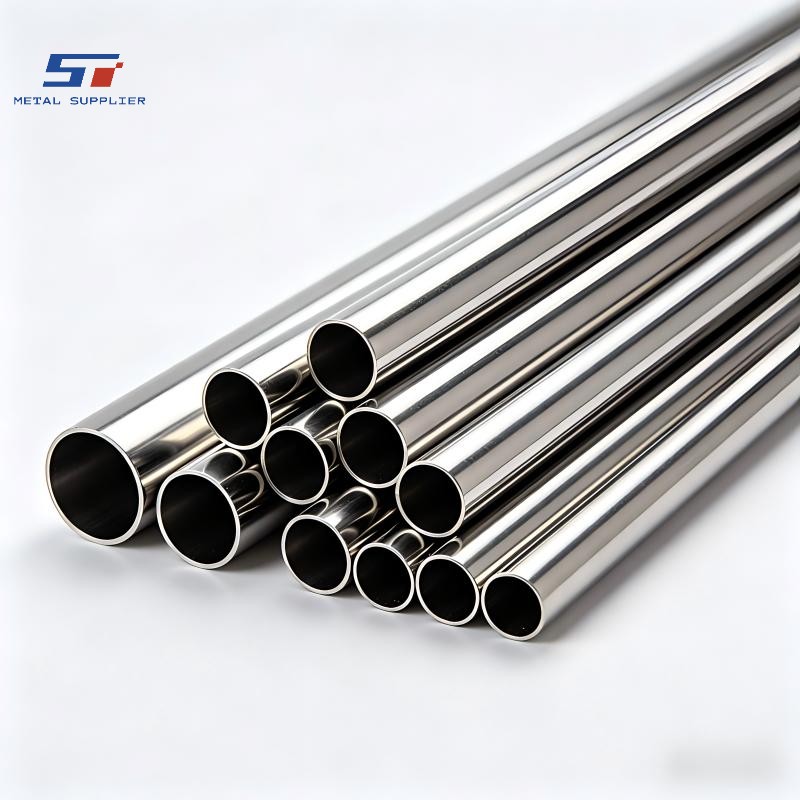
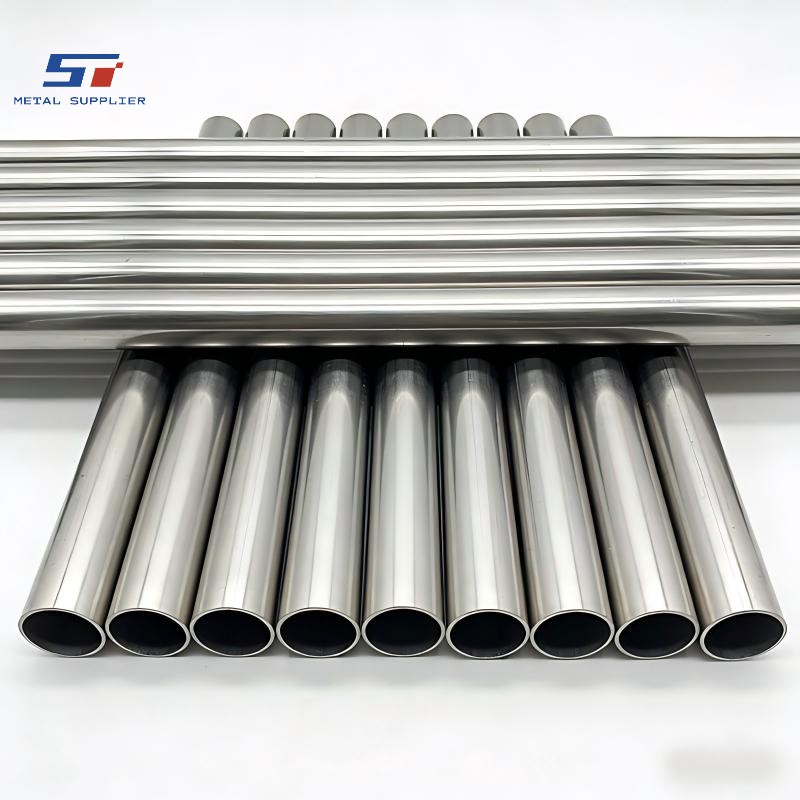
The solution provided was a comprehensive package of cold drawn tubes, specifically selected for their suitability for hydraulic cylinder manufacturing. The package included a range of sizes with outside diameters from 50mm to 200mm and wall thicknesses from 5mm to 20mm. A key feature of the solution was the use of "BK+S" (Cold Drawn and Stress Relieved) heat treatment condition. Stress relieving is vital because the cold drawing process introduces significant internal stresses; if these are not removed, the tube can warp or deform during the subsequent cutting and welding processes.
To further reduce the manufacturer’s processing time and costs, the tubes were supplied in "Ready-to-Hone" or "Honed" condition for specific high-volume models. Ready-to-Hone tubes are drawn to such tight tolerances that the manufacturer only needs to perform a final light honing operation to achieve the desired surface finish. This significantly reduces material waste and speeds up the production cycle. The package also included detailed documentation on the ID measurements at both ends and the middle of every tube, ensuring the manufacturer could plan their machining operations with confidence.
Manufacturing and the Cold Drawing Process
The production of these precision tubes began with high-quality hot-finished seamless "mother tubes." These tubes underwent a series of preparatory steps, including pickling to remove scale and the application of a specialized phosphate coating and lubricant to facilitate the drawing process. The cold drawing was performed by pulling the tube through a hardened steel die and over a precision mandrel. This simultaneously reduces the outside diameter and the wall thickness while significantly improving the surface finish and dimensional accuracy.
The cold drawing process also work-hardens the steel, increasing its yield and tensile strength. Following the drawing, the tubes underwent the "BK+S" stress-relieving process in a controlled-atmosphere furnace. This prevents oxidation and ensures the tubes remain clean and bright. After heat treatment, the tubes were straightened using multi-roll straightening machines to achieve the high degree of straightness required for long-stroke hydraulic cylinders. The final stage involved cutting the tubes to the customer’s specified lengths and performing a final inspection of the dimensions and surface quality.
Coordination and Technical Integration
Successful supply to a high-precision manufacturer requires more than just delivering a product; it requires technical integration into the customer’s production workflow. For this project, technical coordination began with a review of the manufacturer’s honing and welding procedures. This ensured that the chemistry of the steel (typically a medium-carbon grade like E355 or 1026) was optimized for both the required strength and the ease of welding.
The logistical coordination included a "kanban" or "just-in-time" system where the supplier maintained a safety stock of the most common sizes in a nearby warehouse. This allowed the cylinder manufacturer to respond quickly to urgent orders from their own customers without having to hold a large and expensive inventory of raw materials. Each shipment was accompanied by digital versions of the Mill Test Reports (MTRs), which were automatically integrated into the manufacturer’s quality management system, providing seamless traceability from the steel melt to the finished hydraulic cylinder.
Quality Control and Surface Verification
Quality control for precision cold drawn tubes is exceptionally rigorous. In addition to the standard chemical and mechanical tests, every tube underwent a 100% visual inspection of the internal and external surfaces. Dimensional verification was performed using high-precision air gauges and micrometers, with a focus on the ID tolerance and the eccentricity (the variation in wall thickness).
Surface roughness was measured using electronic profilometers to ensure compliance with the Ra specifications. Non-destructive testing, including ultrasonic and eddy current inspection, was used to detect any internal or surface-breaking defects that could compromise the pressure-bearing capacity of the tube. The supplier also performed "flattening" and "flaring" tests on samples from every heat to verify the ductility and the quality of the steel. This level of verification is essential for hydraulic applications where a single material defect can lead to a catastrophic failure in the field.
Packaging and Corrosion Protection
Precision tubes with high-quality surface finishes require exceptional protection during transport and storage. After the final inspection and cleaning, the internal and external surfaces of the tubes were coated with a high-performance rust-preventative oil. This oil provides a thin, protective film that prevents oxidation without interfering with subsequent machining or welding.
The ends of the tubes were sealed with heavy-duty plastic plugs to protect the precision-drawn ID from dust, moisture, and impact damage. The tubes were then packed in reinforced hexagonal bundles, which were wrapped in a layer of VCI (Vapor Corrosion Inhibitor) paper and a final layer of waterproof plastic film. For international transit, the bundles were placed in wooden crates to prevent bending or surface scratching. These protective measures ensured that the tubes arrived at the manufacturer’s facility in factory-fresh condition, ready for immediate processing.
Project Conclusion and Manufacturing Efficiency
The supply of the precision cold drawn steel tube package provided the hydraulic cylinder manufacturer with a reliable and high-quality raw material source. The tight ID tolerances and superior surface finish of the tubes allowed the manufacturer to reduce their honing times and improve their production efficiency. The higher mechanical strength of the cold-drawn material also enabled the design of more compact and lighter cylinders, providing a competitive advantage in the heavy machinery market.
This project highlights the value of material precision in advanced manufacturing. By providing a solution that was tailored to the specific dimensional and surface requirements of hydraulic barrels, the project contributed to the reliability and performance of critical industrial equipment. The combination of advanced cold-drawing technology, rigorous quality control, and integrated logistics created a supply chain that supports the demanding needs of the modern hydraulic industry.
Contact Shengtao Metal for Steel Product Solutions
If you are looking for reliable steel and metal product solutions, feel free to send us your inquiry.
Simply provide your specifications such as material grade, dimensions, quantity or application, and our team will respond quickly with professional support and a competitive quotation.
Email: stsalesman4@stmetal001.com



Request A Quote
Scan to Wechat/Whatsapp :