Project Overview
In modern beverage manufacturing, automation and hygiene are critical for efficiency, safety, and product quality. Beverage production lines must deliver consistent flow rates, prevent contamination, and withstand repeated cleaning cycles. Shengtao Metal was commissioned to supply and integrate a complete stainless steel tubing system for a high-capacity automated beverage production line at a leading juice processing facility in the Netherlands.
The client required a fully integrated solution that would link storage tanks, pasteurizers, mixers, and filling stations, while ensuring compliance with strict European hygiene standards (EHEDG and EU food safety regulations). The project involved 450 meters of stainless steel tubing, including 304 and 316L grades, precision bends, sanitary fittings, and instrumentation connections. The goal was to maximize flow efficiency, minimize contamination risk, and optimize CIP (Clean-in-Place) operations across the entire production line.
Design Considerations
1. Material Selection:
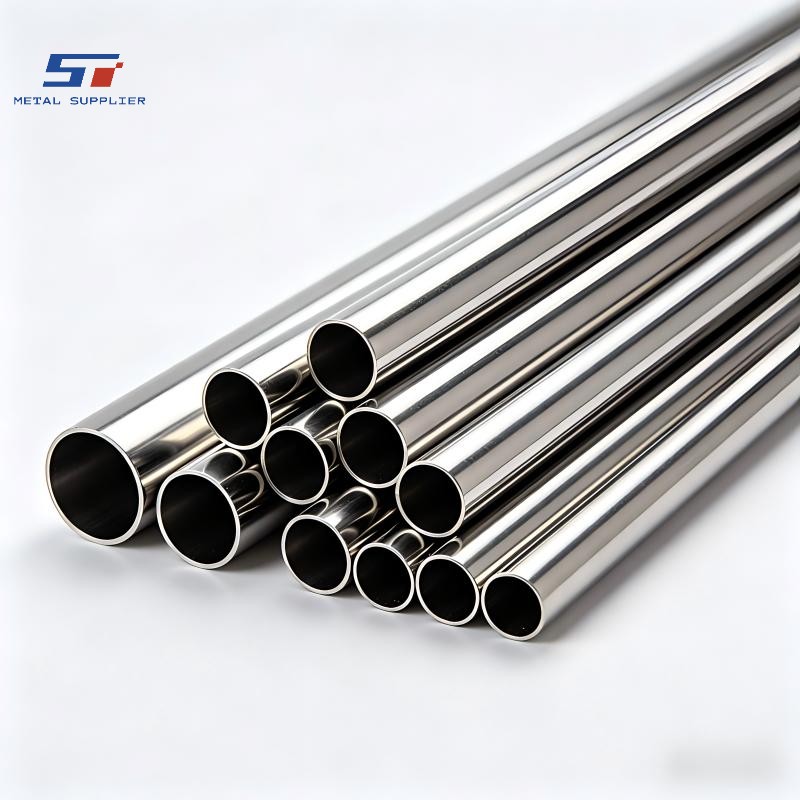
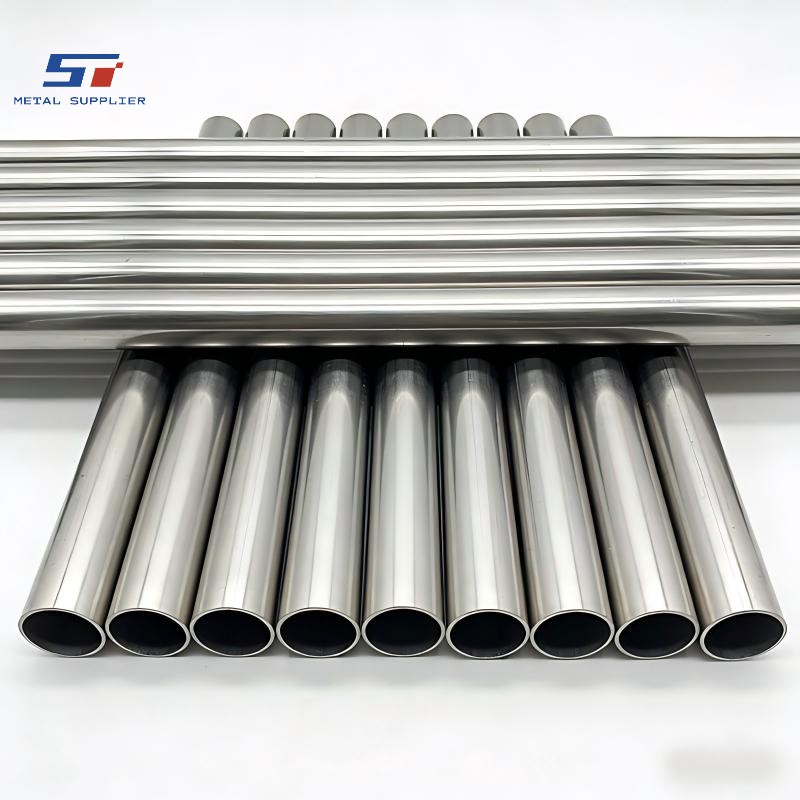
A combination of 304 and 316L stainless steel tubing was selected to balance cost, corrosion resistance, and regulatory compliance. 304 stainless steel was used for standard processing sections, while 316L tubing was deployed in areas with high acidity or frequent exposure to aggressive cleaning agents. Wall thicknesses ranged from 2 mm to 8 mm, depending on the required pressure rating and tubing diameter, which varied between 25 mm and 100 mm.
2. Sanitary Requirements:
To meet stringent food-grade standards, all tubing required a surface roughness of Ra ≤ 0.4 μm. Internal surfaces were electropolished to eliminate micro-crevices, while external surfaces were mechanically brushed for durability. All joints utilized tri-clamp fittings and gaskets made from FDA-approved materials to ensure hygienic connections and facilitate quick disassembly for maintenance.
3. Flow Dynamics and Efficiency:
Automated beverage lines rely on precise flow rates to ensure consistent mixing, pasteurization, and filling. The tubing system was designed using computational fluid dynamics (CFD) simulations to optimize bend radii, minimize pressure drop, and avoid turbulence. Tubing diameters were carefully matched to pump capacities, ensuring flow rates between 1200 and 1800 liters per hour with minimal energy consumption.
4. Integration with Automation Systems:
The tubing network was fully integrated with the facility’s PLC (Programmable Logic Controller) system. Pressure sensors, flow meters, and temperature probes were installed at key points along the line. Real-time data was collected and used to adjust pump speeds, regulate flow, and monitor cleaning cycles. The automation system also included alarms for pressure deviations, blockages, or temperature anomalies, enabling rapid corrective actions.
Fabrication and Quality Assurance
1. Precision Fabrication:
Tubing sections were cut to exact lengths using laser cutting equipment, achieving tolerances of ±0.5 mm. All bends were formed using mandrel bending to maintain inner diameter integrity and avoid deformation. Welds were performed using TIG (GTAW) processes, fully compliant with ASME Section IX standards.
2. Post-Weld Treatment:
All welded joints underwent solution annealing at 1050°C for 30 minutes, followed by rapid cooling to preserve corrosion resistance. Electropolishing was applied to internal surfaces, reducing micro-roughness and enhancing chemical resistance. Each tube section passed a combination of visual inspection, dye penetrant testing (PT), and hydrostatic testing at 1.5× operating pressure.
3. Surface Finish Verification:
Surface roughness (Ra) measurements were performed using a profilometer. All tubing and welded joints met the Ra ≤ 0.4 μm standard, ensuring compliance with EHEDG recommendations for food and beverage applications.
Installation and Integration
The installation process followed a modular approach to minimize production downtime. Pre-fabricated tubing modules, including valves and fittings, were delivered and installed in sequence. Laser alignment tools ensured precise positioning, avoiding stress on bends and flanges.
Instrumentation and control components were calibrated on-site to integrate seamlessly with the PLC system. Pressure sensors were installed at feed lines to pasteurizers, flow meters at mixing tanks, and temperature probes along high-temperature sterilization loops. The control system allowed operators to monitor and adjust flow rates, pressure, and cleaning cycles in real time.
CIP procedures were tested during installation. The tubing network allowed complete recirculation of cleaning solutions, ensuring no dead zones where contaminants could accumulate. CIP cycle efficiency was validated by microbial testing, demonstrating full sanitization within the expected 25-minute cleaning cycle.
Performance Validation
After installation, the system underwent extensive testing before full production startup:
Project Outcomes
1. Operational Efficiency:
The fully integrated tubing network reduced friction losses and ensured consistent product flow. Pumps operated at optimal speeds, reducing energy consumption by 12% compared to previous installations. Automated monitoring allowed rapid adjustment of process variables, minimizing downtime.
2. Hygiene and Compliance:
Electropolished and tri-clamp connections enabled rapid disassembly and cleaning. CIP cycles were shortened by 25%, while microbial tests confirmed consistent compliance with EHEDG and EU hygiene standards.
3. Reliability and Durability:
High-quality 304 and 316L stainless steel tubes, combined with precise fabrication and post-weld treatment, ensured long-term resistance to corrosion, mechanical stress, and thermal cycling. The system is projected to maintain peak performance for at least 10 years with standard maintenance.
4. Integration with Automation:
Real-time monitoring of flow, temperature, and pressure enabled predictive maintenance and improved operational safety. Deviations could be detected immediately, reducing the risk of product loss or equipment damage.
Client Testimonial
The plant’s production manager commented:
"Shengtao Metal’s tubing system was delivered on schedule, fully integrated, and exceeded our expectations in terms of performance, hygiene, and automation compatibility. The precise engineering and attention to detail allowed us to start full production immediately, with confidence in long-term reliability."
Conclusion
The integration of stainless steel tubing in automated beverage production lines requires a combination of precision engineering, high-quality materials, and adherence to stringent hygiene standards. Shengtao Metal’s solution demonstrated how careful material selection, surface finishing, and integration with control systems can optimize flow efficiency, reduce cleaning cycles, and ensure compliance with international food safety standards.
This project illustrates the value of combining advanced fabrication techniques, modular design, and real-time process monitoring to deliver a reliable, high-performance beverage production system. For automated processing lines handling sensitive or high-volume products, custom stainless steel tubing solutions remain a cornerstone of operational efficiency, hygiene, and product quality.
Contact Shengtao Metal for Steel Product Solutions
If you are looking for reliable steel and metal product solutions, feel free to send us your inquiry.
Simply provide your specifications such as material grade, dimensions, quantity or application, and our team will respond quickly with professional support and a competitive quotation.
Email: stsalesman4@stmetal001.com



Request A Quote
Scan to Wechat/Whatsapp :