Over the past two years, a noticeable change has emerged across industrial equipment manufacturing projects. While many buyers traditionally preferred fully finished components ready for direct assembly, an increasing number of equipment manufacturers are now requesting semi-finished machined components instead. This shift is becoming particularly evident in industries such as industrial automation, fluid control systems, process equipment, energy infrastructure, and specialized machinery manufacturing.
At Shengtao Metal, this trend has become increasingly visible through customer inquiries and project discussions. More engineering teams are asking for components that have completed major machining operations but intentionally leave certain dimensions, holes, threads, or finishing processes unfinished. These semi-finished parts are then completed at the customer's local facility or by a regional partner closer to the final assembly location.
At first glance, this approach may appear counterintuitive. Fully finished parts seem more convenient because they eliminate additional processing steps. However, when manufacturers examine the entire project lifecycle rather than only the purchase price, semi-finished components often provide significant advantages in flexibility, cost control, and supply chain management.
One major reason behind this shift is the growing complexity of global manufacturing operations. Many equipment manufacturers now operate across multiple countries and regions. Engineering design may occur in Europe, assembly may take place in North America, while components are sourced from Asia. Under these circumstances, maintaining flexibility throughout the production process becomes increasingly valuable.
Semi-finished components allow manufacturers to make final adjustments closer to the assembly stage. If engineering changes occur during project development, modifications can often be implemented locally without requiring entirely new components to be produced overseas. This reduces delays and minimizes the impact of design revisions on project schedules.
Lead time management has become another important factor. Global supply chains have experienced considerable volatility in recent years. Shipping delays, port congestion, fluctuating transportation costs, and changing import regulations have encouraged many companies to rethink their sourcing strategies.
By purchasing semi-finished components, manufacturers can secure critical material and machining capacity earlier in the project cycle while retaining the ability to complete final operations according to actual demand. This approach helps reduce inventory risk and improves responsiveness to changing customer requirements.
Cost management is also influencing purchasing behavior. Fully finished components often require additional machining operations, inspection procedures, packaging requirements, and specialized handling. In some cases, certain finishing operations may be performed more economically closer to the final assembly location.
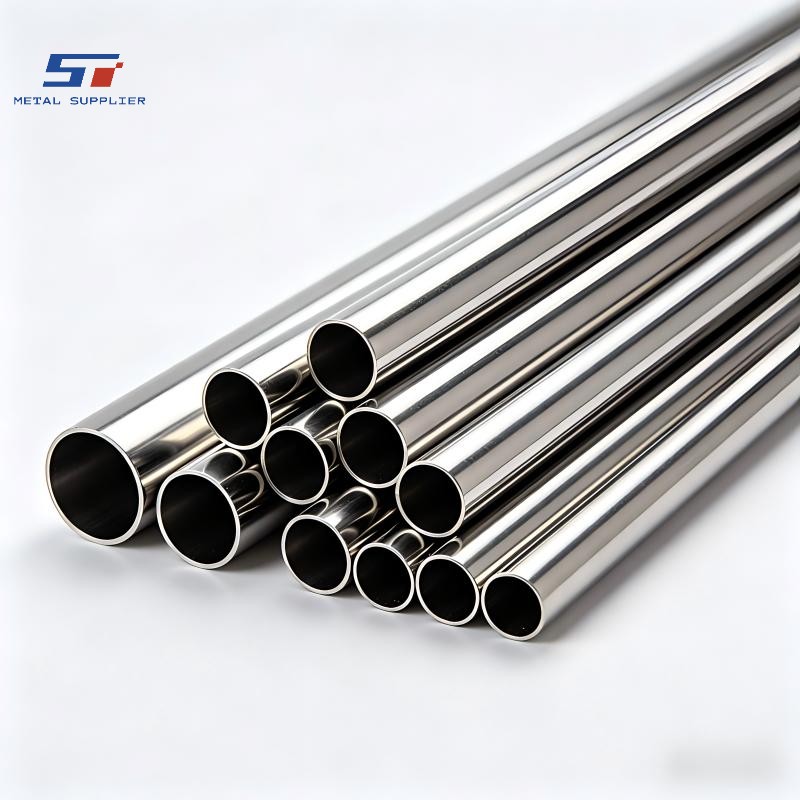
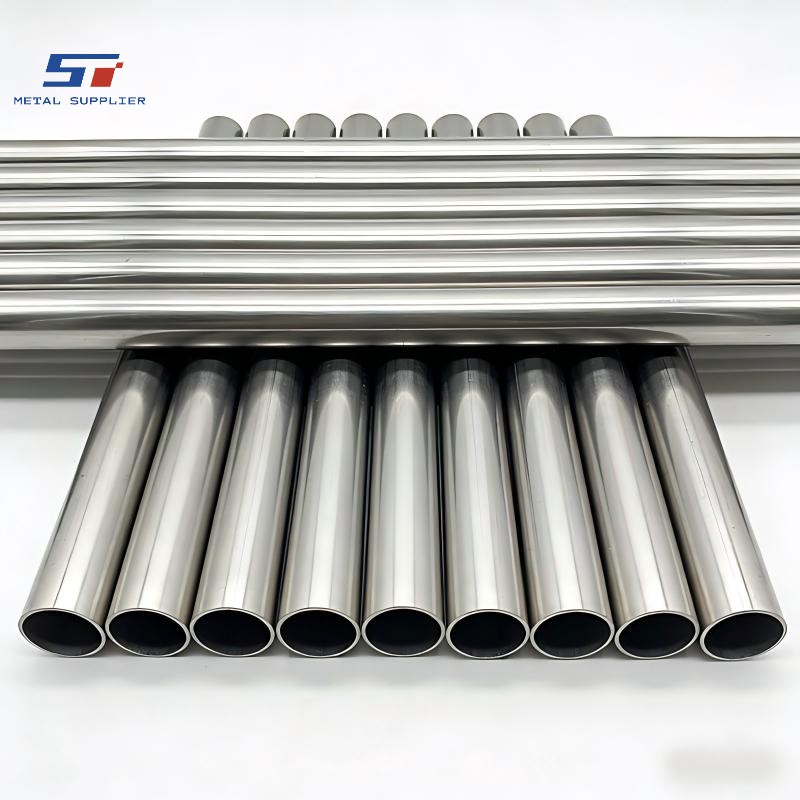
For example, a customer may source precision-machined stainless steel valve bodies with major machining features completed while performing final thread cutting, custom drilling, or application-specific modifications locally. This allows standard inventory to be utilized across multiple projects while reducing the need for project-specific stock.
The trend is particularly common in industrial automation equipment. Manufacturers frequently produce standardized equipment platforms that can be customized for different customers. Semi-finished components provide a flexible foundation that supports multiple product configurations without requiring completely separate production runs.
Another factor driving demand is quality assurance. Some customers prefer to perform final machining operations after receiving components in order to guarantee alignment with mating parts produced internally. This can be especially important for assemblies involving precision interfaces, custom fixtures, or proprietary design features.
In addition, transportation considerations are playing a larger role in procurement decisions. Fully finished components often require more protective packaging to prevent damage during shipping. Certain precision surfaces, threaded features, or polished areas can be vulnerable during international transport.
Semi-finished components may be less susceptible to transportation-related damage because final critical surfaces are completed after arrival. This reduces the risk of costly rework or replacement caused by shipping incidents.
The increasing adoption of digital manufacturing technologies has further accelerated this trend. Modern CAD, CAM, and CNC systems allow manufacturers to transfer machining data quickly between facilities. A semi-finished component produced in one country can be completed accurately in another location using standardized digital manufacturing information.
As a result, companies are becoming more comfortable distributing production activities across multiple sites while maintaining dimensional consistency and quality standards.
The growth of regional manufacturing strategies is another contributing factor. Many equipment manufacturers are working to shorten supply chains and reduce dependence on single production locations. Semi-finished components fit well within this model because they support a hybrid manufacturing approach that combines global sourcing with local customization.
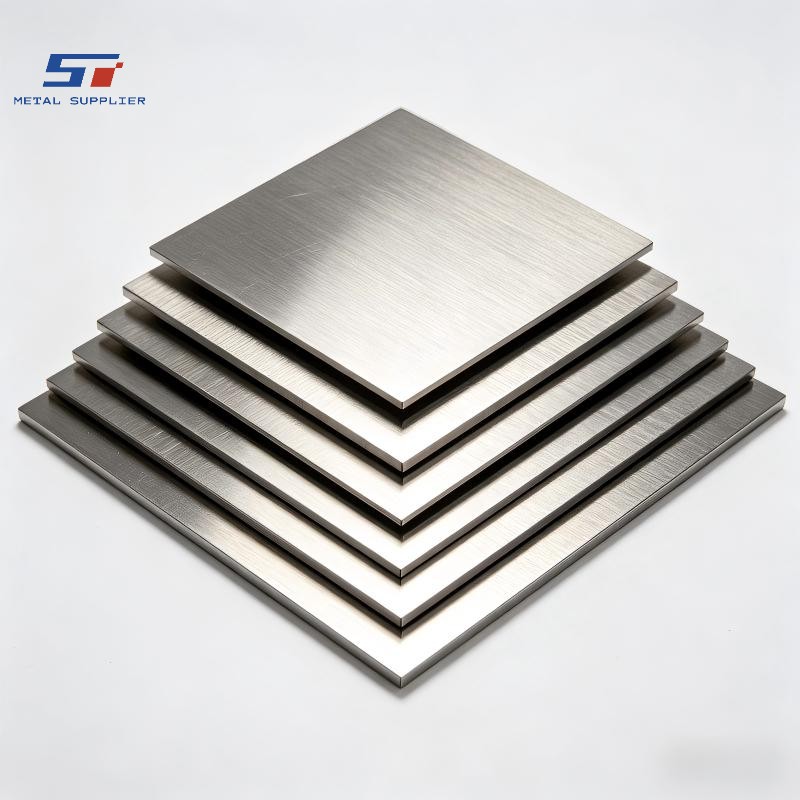
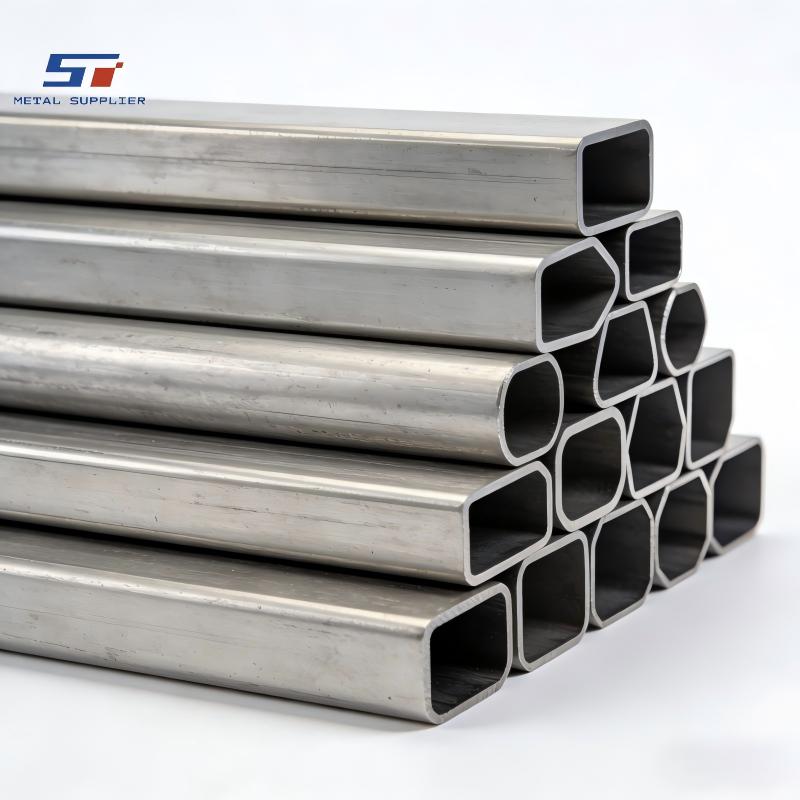
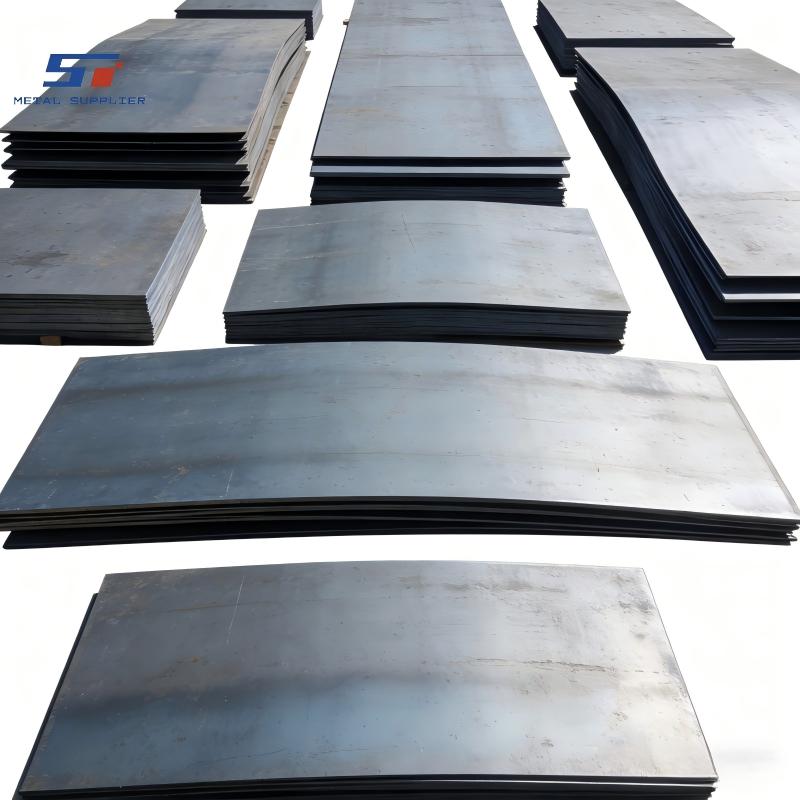
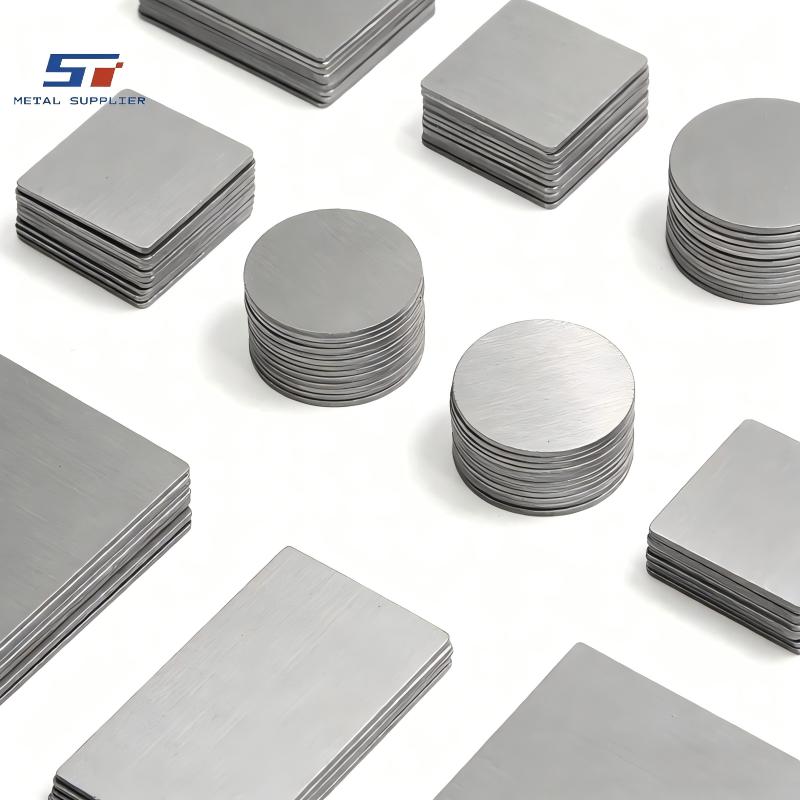
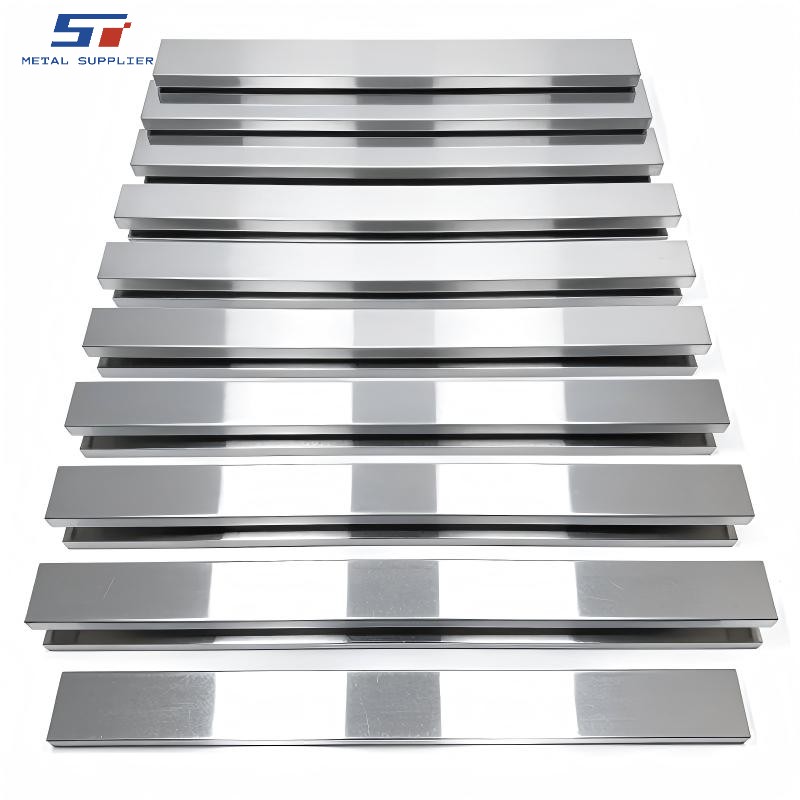
Recent customer projects have demonstrated the practical advantages of this strategy. In several cases, buyers have requested stainless steel machined blanks, partially machined manifolds, and unfinished structural components that could later be adapted to specific project requirements. These customers reported improved inventory utilization, reduced project delays, and greater engineering flexibility compared to traditional fully finished component sourcing.
From a supplier perspective, the trend also creates new opportunities for collaboration. Manufacturers are increasingly seeking partners capable of providing not only machining services but also engineering support during project planning. Discussions now frequently include topics such as machining allowances, finishing strategies, logistics optimization, and local processing requirements.
This shift reflects a broader change in how industrial companies evaluate procurement decisions. Instead of focusing solely on individual component pricing, buyers are considering total project economics, supply chain resilience, inventory efficiency, and operational flexibility.
Looking ahead, the demand for semi-finished machined components is likely to continue growing as manufacturers seek greater adaptability in an increasingly complex business environment. Projects are becoming more customized, production schedules are becoming more dynamic, and companies are under constant pressure to improve efficiency while reducing risk.
At Shengtao Metal, we have observed that customers who adopt this sourcing model often gain greater control over their manufacturing processes while maintaining the benefits of high-quality precision machining. By balancing global production capabilities with local finishing flexibility, they are able to respond more effectively to changing market demands.
The growing preference for semi-finished components illustrates an important reality in modern manufacturing: the most efficient solution is not always the most complete one. In many situations, preserving flexibility can create more value than delivering a fully finished part. As industrial supply chains continue to evolve, semi-finished machining strategies are becoming an increasingly important tool for manufacturers seeking to improve competitiveness, reduce risk, and support long-term growth.
Contact Shengtao Metal for Steel Product Solutions
If you are looking for reliable steel and metal product solutions, feel free to send us your inquiry.
Simply provide your specifications such as material grade, dimensions, quantity or application, and our team will respond quickly with professional support and a competitive quotation.
Email: stsalesman4@stmetal001.com



Request A Quote
Scan to Wechat/Whatsapp :