Global stainless steel procurement strategies are undergoing significant transformation in 2026 as manufacturers, distributors, EPC contractors, and industrial buyers adapt to changing geopolitical conditions, logistics challenges, rising quality expectations, and increasingly complex international trade environments. Over the past several years, supply chain disruptions caused by freight instability, regional conflicts, raw material volatility, and changing tariff structures have forced industrial buyers to rethink traditional sourcing models. As a result, procurement priorities are shifting away from purely price-driven purchasing toward more stable, traceable, and quality-focused supply partnerships.
For stainless steel suppliers and manufacturers, this shift is reshaping the competitive landscape across global industrial markets. Buyers are now placing greater emphasis on supply chain transparency, production reliability, material traceability, inspection capabilities, inventory flexibility, and long-term supplier stability. Companies that can provide consistent delivery performance and comprehensive technical support are becoming increasingly attractive to international buyers operating in sectors such as oil and gas, food processing, marine engineering, pharmaceuticals, chemical manufacturing, and infrastructure construction.
Shengtao Metal has observed these market changes accelerating rapidly throughout 2025 and into 2026. Compared with previous years, customers are requesting far more detailed documentation before placing orders, including PMI reports, mill test certificates, welding qualifications, corrosion resistance verification, and third-party inspection records. Many overseas buyers are also conducting more comprehensive supplier audits, focusing not only on product pricing but also on manufacturing capabilities, export experience, production stability, and quality management systems.
One of the most important drivers behind these procurement changes is the increasing uncertainty surrounding global shipping and logistics. Freight costs remain highly sensitive to geopolitical events, fuel prices, port congestion, and regional trade disruptions. During periods of shipping instability, buyers that previously relied on low-cost spot purchasing strategies often experienced delayed deliveries, inventory shortages, and project schedule disruptions. As a result, many industrial buyers are now shifting toward more stable procurement models involving long-term supplier cooperation and strategic inventory planning.
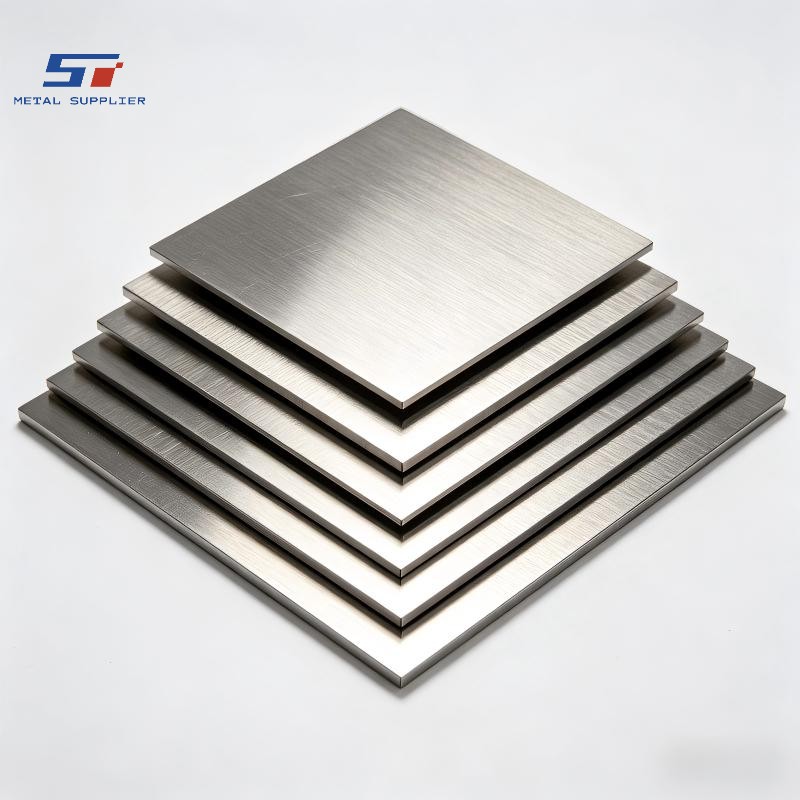
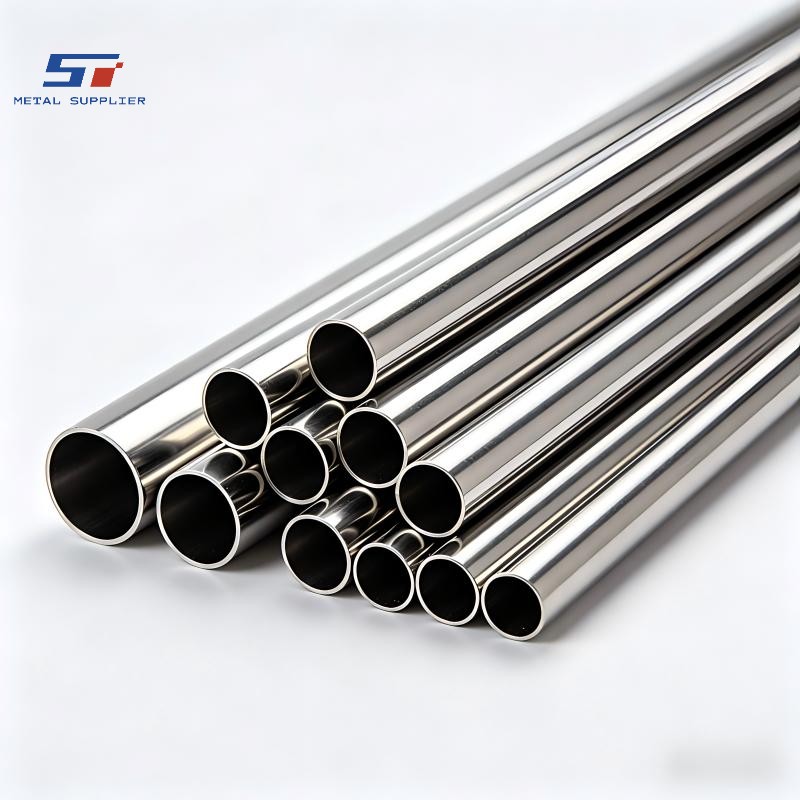
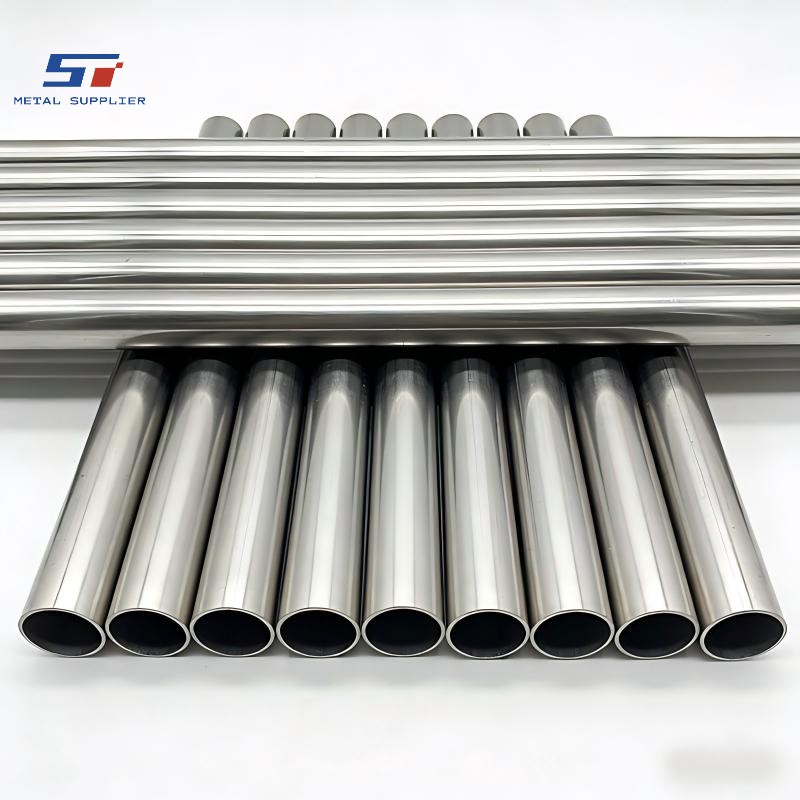
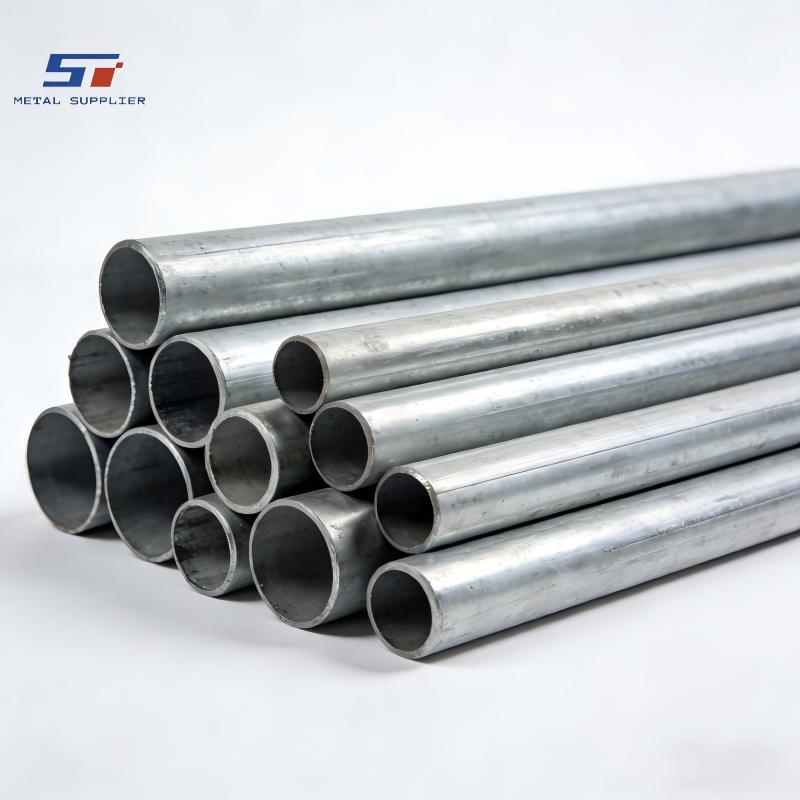
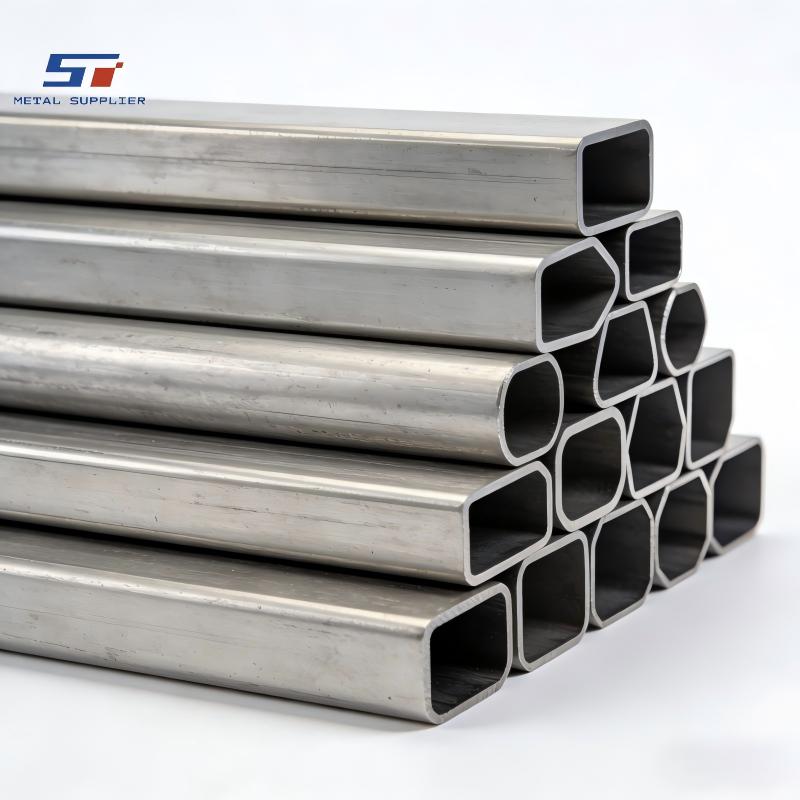
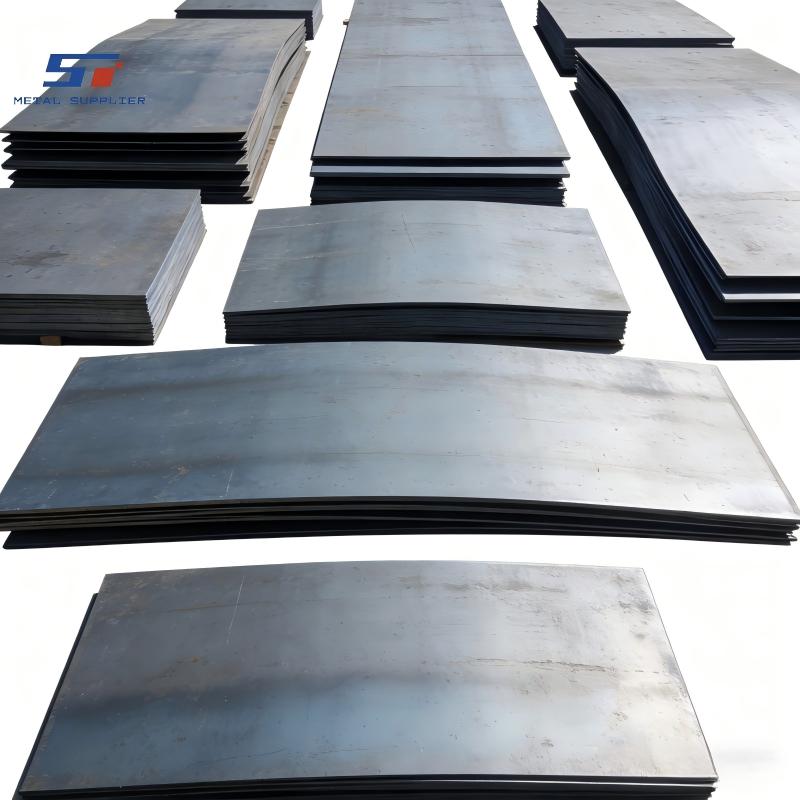
This trend is particularly visible in large-scale industrial projects where delayed material delivery can create significant financial consequences. EPC contractors managing infrastructure, refinery, offshore, or manufacturing projects increasingly prefer suppliers capable of maintaining reliable inventory availability and stable export coordination. Stainless steel materials such as pipes, tubes, plates, and fittings often represent critical-path items within construction schedules, making delivery consistency just as important as pricing competitiveness.
Another major trend reshaping stainless steel procurement is the growing demand for higher-performance corrosion-resistant materials. Industries operating in aggressive environments are increasingly moving away from lower-grade carbon steel systems due to rising maintenance costs and long-term operational risks. Demand for 316L stainless steel, duplex stainless steel, and specialized alloy products has grown significantly across sectors including desalination, marine infrastructure, semiconductor manufacturing, offshore energy, and food-grade processing.
This shift is also influencing procurement evaluation criteria. Buyers are paying closer attention to technical expertise, material selection support, and application engineering knowledge when selecting suppliers. Instead of simply requesting quotations based on generic product descriptions, many customers now seek suppliers capable of recommending optimized material solutions tailored to specific operating environments.
Shengtao Metal has responded to these changes by expanding technical consultation support for international clients. The company has increased investment in material testing systems, corrosion analysis capabilities, and production traceability management to better support industrial buyers requiring higher documentation standards and application-specific engineering guidance.
Digital procurement processes are also becoming increasingly important in the stainless steel industry. More buyers now expect suppliers to provide fast online quotation systems, digital material certification access, real-time production updates, and transparent logistics tracking. Procurement departments are under growing pressure to improve purchasing efficiency while maintaining strict supplier qualification standards.
In response, stainless steel manufacturers are accelerating digital transformation across production and sales operations. Shengtao Metal recently upgraded several internal systems related to production scheduling, order tracking, and inspection documentation management to improve communication efficiency with overseas clients. Digital traceability systems now allow customers to access heat numbers, inspection records, and shipment updates more efficiently throughout the order process.
Environmental and sustainability requirements are also reshaping procurement priorities in 2026. Many international industrial buyers now evaluate suppliers based on environmental compliance, energy efficiency, and long-term sustainability practices in addition to product quality and pricing. Stainless steel itself is increasingly viewed as a sustainable industrial material because of its recyclability, long service life, and reduced maintenance requirements compared to traditional materials.
Large international projects, especially in Europe and North America, are increasingly requesting environmental compliance documentation alongside traditional quality certifications. Some buyers are also evaluating suppliers based on production efficiency improvements, emissions reduction initiatives, and responsible raw material sourcing practices.
The rise of localized manufacturing strategies is another important factor influencing global stainless steel procurement patterns. Following years of supply chain disruptions, many industrial companies are attempting to reduce overdependence on single-region sourcing models. Buyers are diversifying supplier networks across multiple countries and regions to reduce procurement risks associated with logistics disruptions or regional political instability.
At the same time, Asian stainless steel manufacturers continue strengthening their position within global industrial supply chains due to competitive production costs, improving quality standards, and expanding export capabilities. Chinese stainless steel manufacturers, in particular, have significantly improved manufacturing automation, quality control systems, and international certification compliance over the past decade.
Shengtao Metal has continued investing in advanced production equipment, automated inspection systems, and export coordination capabilities to support growing international demand. The company has also expanded inventory flexibility for commonly requested grades such as 304, 304L, 316L, and duplex stainless steel products to improve response speed for urgent industrial projects.
Recent market activity suggests that procurement cycles are also becoming shorter and more dynamic. Buyers increasingly prefer flexible suppliers capable of supporting both large-volume project orders and smaller urgent replenishment requests. This trend is especially visible in sectors where inventory optimization and rapid production adjustments are becoming critical operational priorities.
Several industrial sectors are currently driving particularly strong demand growth. Semiconductor manufacturing projects continue expanding globally due to rising AI infrastructure investment and advanced electronics demand. These facilities require highly specialized stainless steel tubing systems with strict cleanliness and corrosion resistance standards.
Similarly, renewable energy infrastructure projects—including offshore wind farms, hydrogen processing facilities, and battery manufacturing plants—are generating increasing demand for corrosion-resistant stainless steel materials capable of supporting aggressive operating environments and long-term sustainability targets.
Food processing and pharmaceutical industries are also continuing to invest heavily in hygienic stainless steel production systems, particularly as international regulatory standards become stricter regarding contamination control and sanitary process design.
The competitive environment among stainless steel suppliers is therefore evolving rapidly. Buyers are no longer evaluating suppliers based solely on price competitiveness. Instead, they increasingly prioritize suppliers capable of providing long-term operational reliability, engineering support, documentation transparency, stable logistics coordination, and consistent product quality.
For manufacturers, this means that investments in production quality, inspection systems, technical support, and export management are becoming just as important as production capacity itself. Companies capable of balancing cost competitiveness with operational reliability are likely to gain stronger positions within international industrial supply chains over the coming years.
Looking ahead, industry analysts expect global stainless steel demand to remain strong throughout 2026 and beyond, particularly within infrastructure modernization, energy transition, semiconductor expansion, and industrial automation sectors. Procurement strategies will likely continue evolving toward more resilient, traceable, and partnership-oriented sourcing models as buyers prioritize supply chain stability and long-term operational efficiency.
For Shengtao Metal, these market developments represent both challenges and opportunities. By continuing to strengthen manufacturing quality, export coordination, inventory responsiveness, and technical support capabilities, the company aims to support international industrial customers facing increasingly complex procurement environments. As global supply chains continue adapting to changing economic and industrial conditions, reliable stainless steel suppliers with strong technical expertise and stable production systems will play an increasingly important role within modern industrial procurement networks.
Contact Shengtao Metal for Steel Product Solutions
If you are looking for reliable steel and metal product solutions, feel free to send us your inquiry.
Simply provide your specifications such as material grade, dimensions, quantity or application, and our team will respond quickly with professional support and a competitive quotation.
Email: stsalesman4@stmetal001.com



Request A Quote
Scan to Wechat/Whatsapp :