Coastal infrastructure is facing unprecedented challenges as urban development and climate change increase the demand for durable, long-lasting materials. Ports, harbors, offshore platforms, bridges, and seawalls are constantly exposed to harsh marine environments, including saltwater, high humidity, and extreme weather conditions. Traditionally, carbon steel has been widely used for construction in these settings, but its susceptibility to corrosion leads to high maintenance costs, reduced service life, and increased operational risk. In response to these challenges, there is a global shift toward corrosion-resistant stainless steel and duplex steel solutions, offering superior durability, longevity, and reduced total cost of ownership.
Shengtao Metal has been actively involved in supplying corrosion-resistant steel solutions for coastal infrastructure projects across Europe, the Middle East, and Asia. The company’s experience in providing high-quality 316L and duplex stainless steel products has positioned it as a preferred partner for projects that require both structural strength and corrosion resistance. The demand for such materials is being driven by the need to extend the service life of marine structures, comply with stricter environmental and safety regulations, and reduce the environmental impact of frequent steel replacement.
In ports and harbors, where steel piling, dock platforms, and quay walls are exposed to constant saltwater immersion, the use of duplex stainless steel has become increasingly popular. Duplex steels offer a unique combination of high tensile strength and exceptional corrosion resistance, particularly against chloride-induced stress corrosion cracking, which is a common issue in marine environments. Recent projects in Northern Europe, where tidal variations and saltwater exposure are extreme, have demonstrated that duplex steel structures can last up to 50 years with minimal maintenance, compared to conventional carbon steel alternatives that often require major refurbishment within 15 to 20 years.
Bridges and elevated walkways in coastal regions also face unique challenges. Humidity, wind-driven salt spray, and thermal cycling can accelerate steel corrosion, leading to structural integrity issues and safety risks. Structural engineers are increasingly specifying 316L stainless steel or duplex steel components for critical load-bearing elements. The cost premium for stainless steel is offset by the reduced maintenance requirements, lower lifecycle costs, and improved safety margins. For example, a recent coastal bridge renovation project in the United Kingdom involved replacing carbon steel components with 316L stainless steel sections for the main supports and handrails. Over a two-year monitoring period, the stainless steel components showed no measurable corrosion or degradation, while the adjacent carbon steel sections required frequent protective coatings and inspections.
Offshore platforms for oil, gas, and renewable energy applications have historically faced some of the harshest environments for steel structures. The combination of saltwater immersion, high humidity, and dynamic loads from waves and wind accelerates corrosion and fatigue. Duplex stainless steel has proven especially effective in these scenarios, offering high strength-to-weight ratios and resistance to localized corrosion such as pitting and crevice attack. Shengtao Metal supplied a complete duplex steel piping and structural package for an offshore wind farm in Northern Europe, including 316L risers and duplex structural supports. Continuous monitoring has indicated excellent performance over the past five years, with no visible corrosion or structural compromise, demonstrating the long-term value of selecting corrosion-resistant materials from the outset.
One of the key drivers of this global shift is the economic calculus of lifecycle cost. While the upfront cost of stainless steel or duplex steel is higher than traditional carbon steel, the extended service life, reduced maintenance requirements, and improved reliability result in a lower total cost of ownership. Infrastructure owners can avoid repeated replacement cycles, minimize downtime, and reduce labor and material costs associated with maintenance. This economic rationale is becoming more persuasive in regions where labor costs are high and environmental regulations impose penalties for frequent maintenance or environmental contamination from corroded materials.
Environmental and regulatory considerations are also accelerating the adoption of corrosion-resistant steel in coastal projects. Governments and international agencies are implementing stricter standards for structural safety, corrosion protection, and environmental sustainability. For example, in the European Union, directives related to marine infrastructure and offshore installations encourage the use of materials that minimize maintenance interventions and reduce environmental impact. The use of long-lasting, corrosion-resistant steel aligns with these sustainability goals, reducing the need for frequent painting, chemical treatments, or replacement that could generate waste and chemical runoff into sensitive marine ecosystems.
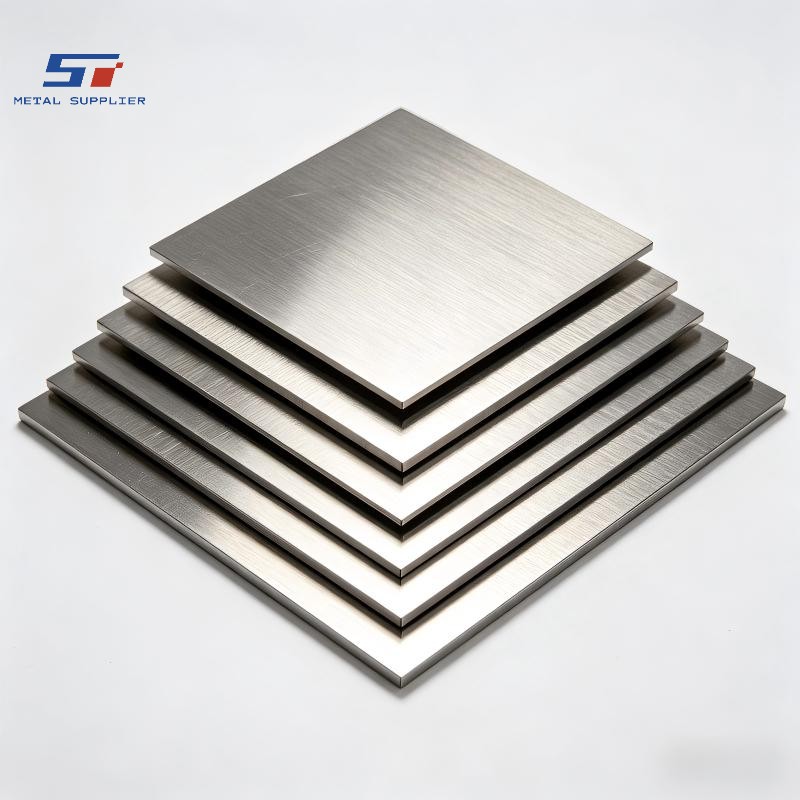
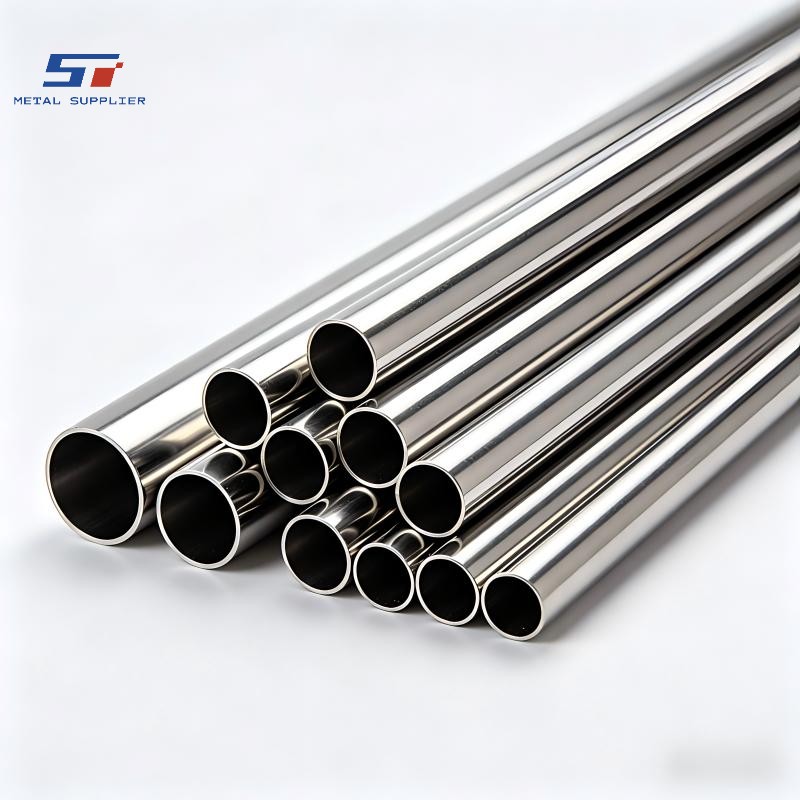
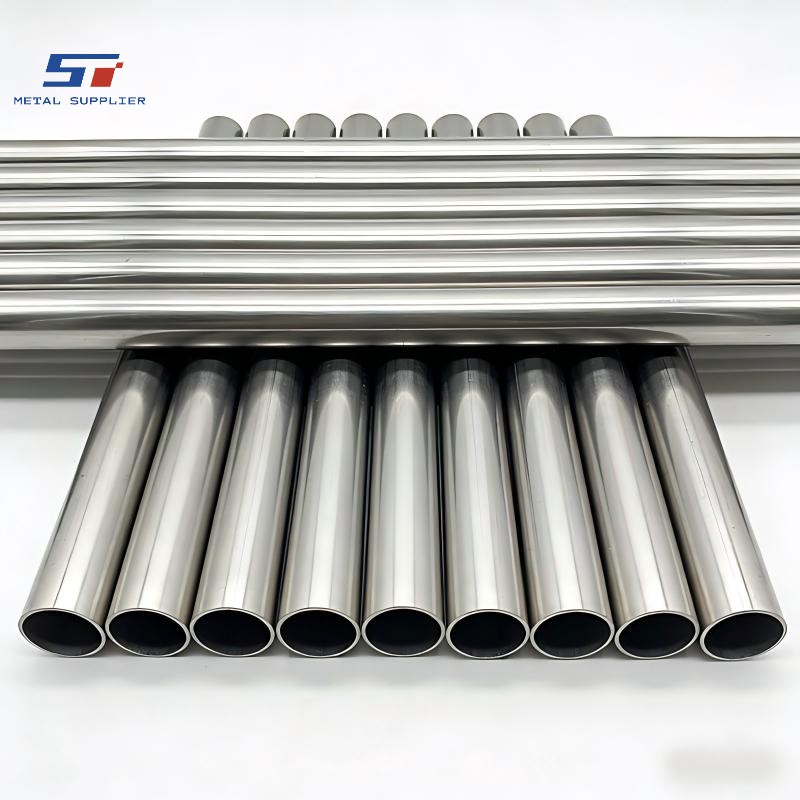
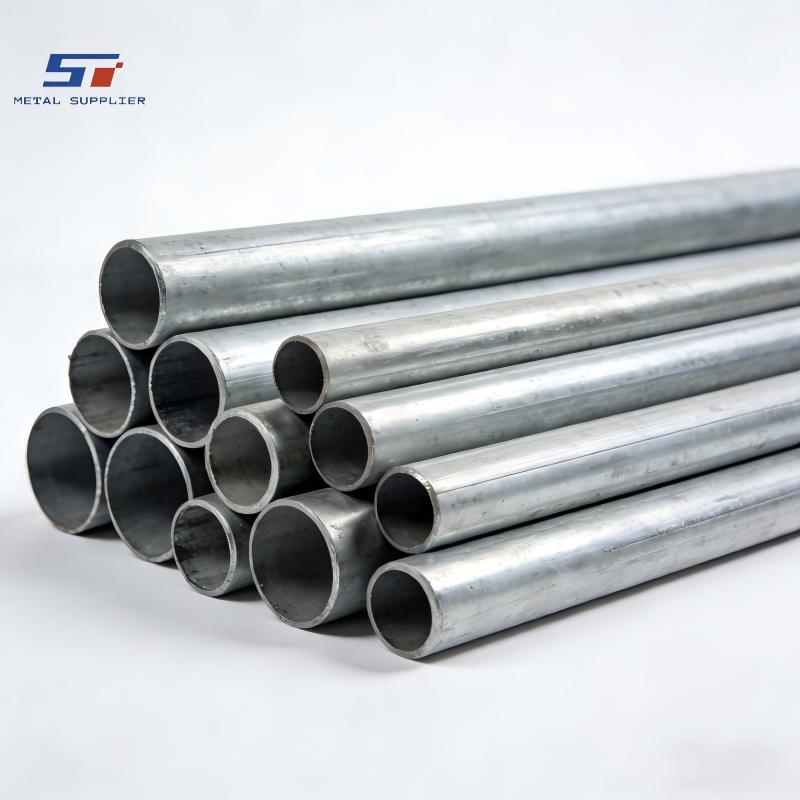
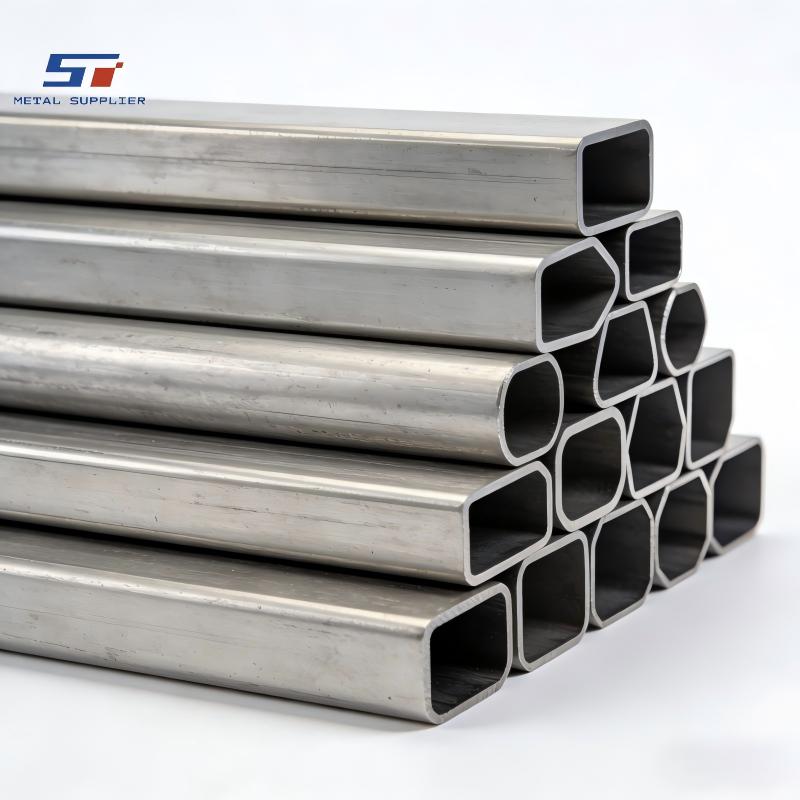
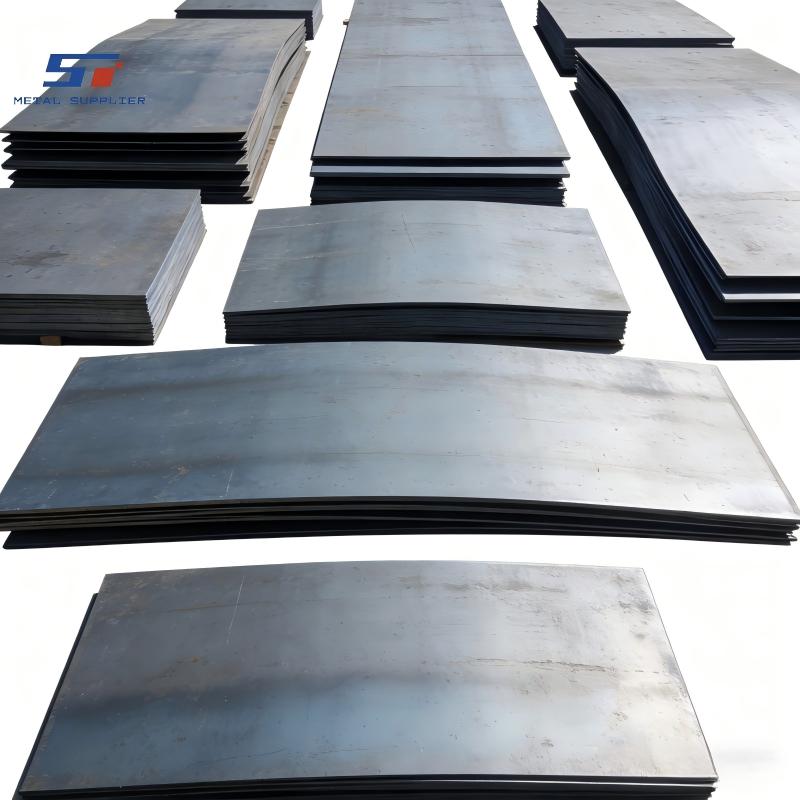
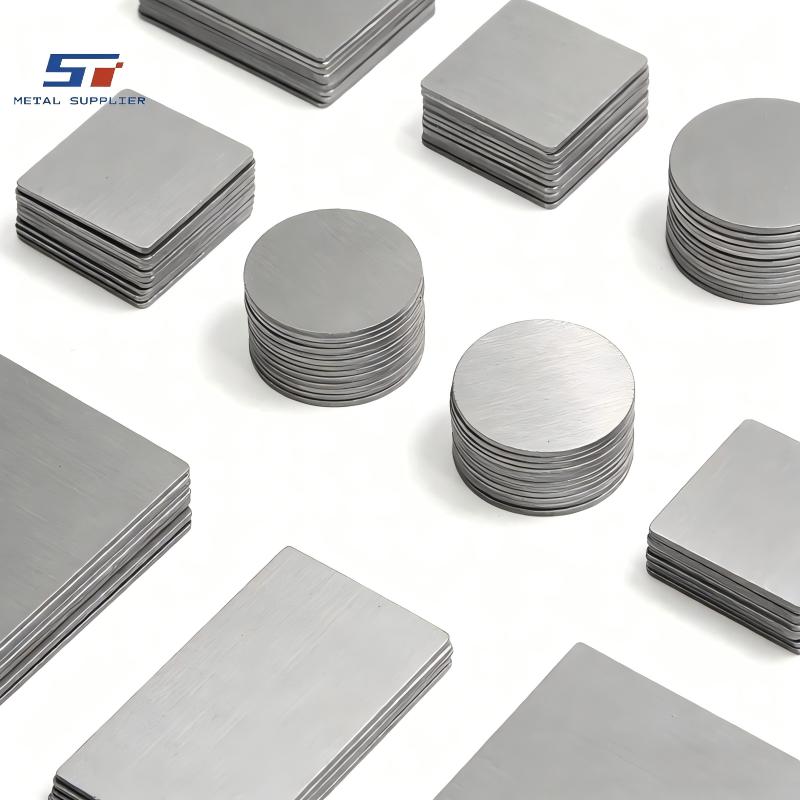
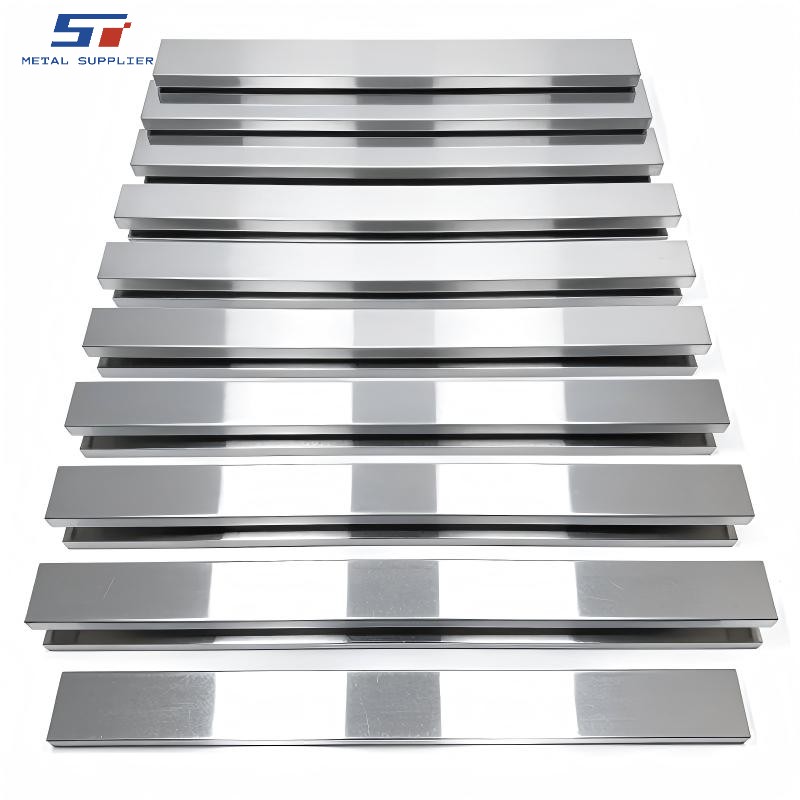
Shengtao Metal has responded to these market demands by expanding its production and supply capabilities for corrosion-resistant steels. The company offers duplex stainless steels, 316L, and other high-alloy grades in a variety of forms, including structural beams, plates, tubes, and custom-fabricated components. Advanced metallurgical processes ensure consistent chemical composition, mechanical properties, and corrosion resistance. Additionally, the company provides full traceability and certification for all materials, ensuring compliance with international standards such as ASTM, EN, and ISO, which is critical for large-scale coastal infrastructure projects.
Case studies from Asia highlight the effectiveness of corrosion-resistant steel in reducing long-term maintenance costs. A port expansion project in Singapore replaced aging carbon steel quay walls with duplex stainless steel piling and sheet structures. Monitoring over a five-year period showed near-zero corrosion, compared to the frequent maintenance and coating applications required for nearby carbon steel structures. Operational downtime was minimized, and the port authority reported a 40% reduction in lifecycle costs for steel maintenance. Similarly, coastal highway infrastructure in Japan has increasingly incorporated 316L stainless steel guardrails, bridge supports, and pedestrian walkways to withstand high salinity environments and typhoon-level wind exposure.
The adoption of corrosion-resistant steel is not limited to new constructions. Retrofitting existing structures with stainless or duplex steel components has become a viable strategy to extend service life and improve safety. Replacement of high-risk carbon steel components, such as fasteners, risers, or exposed beams, with stainless steel can significantly reduce corrosion-related failures. In one retrofit project for an offshore chemical loading facility, Shengtao Metal supplied custom 316L piping and flanges to replace corroded carbon steel sections. Within months of installation, operators observed improved flow efficiency, reduced leaks, and simplified maintenance schedules.
Global supply chains for corrosion-resistant steel are also maturing to support large-scale infrastructure projects. High-volume production of duplex and austenitic stainless steels ensures that construction timelines are not delayed due to material availability. Shengtao Metal has leveraged international logistics networks to deliver certified materials to project sites in Europe, the Middle East, and Asia, ensuring timely deployment for critical coastal infrastructure.
The trend toward corrosion-resistant steel is reinforced by advances in surface finishing, welding, and fabrication technologies. Electropolishing, passivation, and automated welding processes enhance the inherent corrosion resistance of stainless steel, ensuring consistent performance even in extreme marine conditions. Proper fabrication and post-processing are essential to realizing the full benefits of corrosion-resistant steel, as improper welding or handling can compromise the material’s protective oxide layer and reduce service life.
Looking forward, the global demand for corrosion-resistant steel in coastal infrastructure is expected to accelerate. Urban expansion in coastal cities, growth in offshore renewable energy, and the need to replace aging maritime structures are driving a market shift that favors materials capable of withstanding long-term exposure to saline environments. Projects that integrate corrosion-resistant steel not only meet modern safety and environmental standards but also provide operational and economic advantages over traditional carbon steel approaches.
In conclusion, the shift toward corrosion-resistant steel in coastal infrastructure projects is a response to both environmental challenges and economic imperatives. Materials such as 316L stainless steel and duplex steel provide unmatched corrosion resistance, structural integrity, and long-term cost efficiency. Shengtao Metal’s extensive experience in supplying and fabricating these materials ensures that projects achieve both performance and compliance goals. As coastal development continues globally, the adoption of corrosion-resistant steel will increasingly define the success, safety, and sustainability of marine and coastal infrastructure.
Contact Shengtao Metal for Steel Product Solutions
If you are looking for reliable steel and metal product solutions, feel free to send us your inquiry.
Simply provide your specifications such as material grade, dimensions, quantity or application, and our team will respond quickly with professional support and a competitive quotation.
Email: stsalesman4@stmetal001.com



Request A Quote
Scan to Wechat/Whatsapp :